.png)
Road Safety Week 2026: Drive Smart, Stay Protected
- InsurDeck

- Jan 16
- 11 min read
Every year, thousands of Indian families face unexpected challenges due to road accidents—sudden medical expenses, vehicle repairs, legal liabilities. Road Safety Week 2026 reminds us that protection goes beyond awareness. It's about making informed decisions today to safeguard tomorrow.
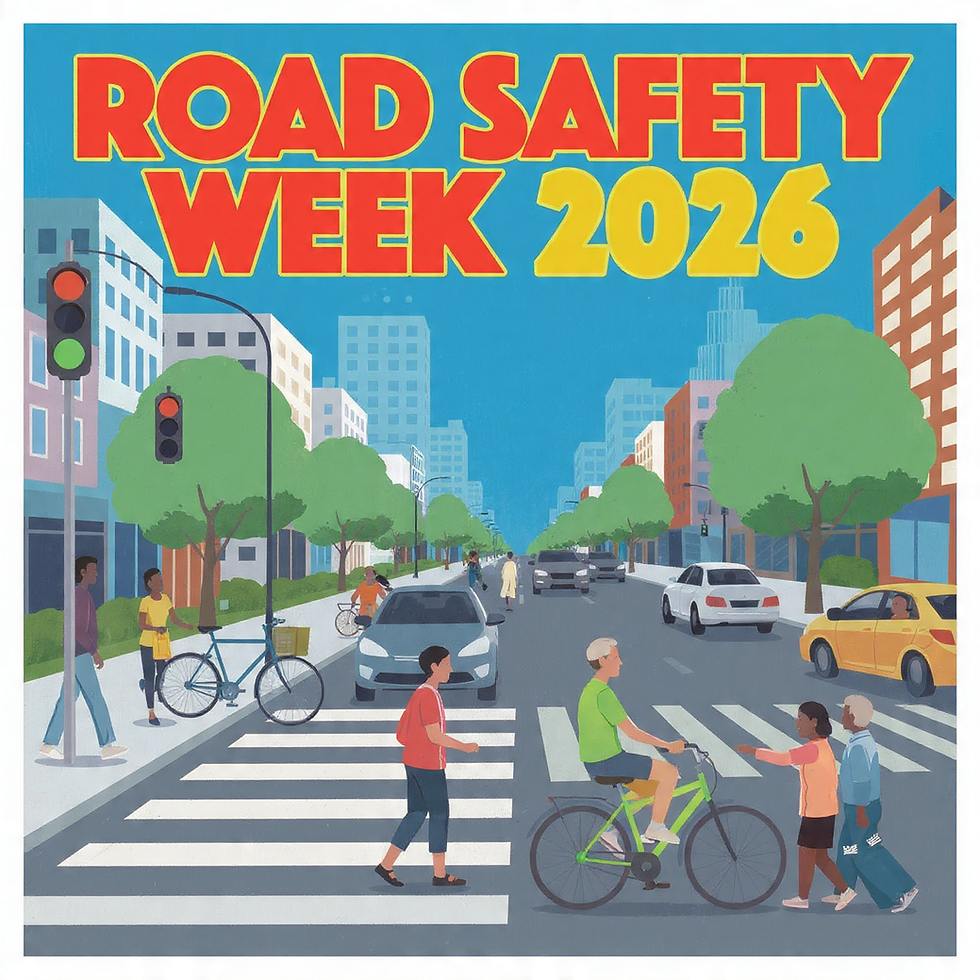
Table of Contents
What is Road Safety Week 2026?
Road Safety Week 2026 (January 11-17) is India's annual national campaign promoting safe driving, helmet usage, vehicle maintenance, and responsible road behavior and choosing the right motor insurance coverage for your family vehicle. Part of National Road Safety Month (January 1-31), it emphasizes "Sadak Suraksha Jeevan Raksha"—Road Safety Saves Lives—through daily themed awareness to reduce India's 150,000+ annual road deaths.
Road Safety Week runs from January 11-17, 2026 as the centerpiece of National Road Safety Month (January 1-31). Organized by India's Ministry of Road Transport and Highways, it reaches millions through police checkpoints, community workshops, school campaigns, and media initiatives.
Each day of Road Safety Week highlights a specific theme:
Day 1: No Drunken Driving
Day 2: Drive at Appropriate Speed
Day 3: Educate and Spread Awareness
Day 4: Road Discipline
Day 5: Helmet Usage for Two-Wheeler Riders
Day 6: Vehicle Maintenance and Road Safety
Day 7: Pledges for Safe Driving
These daily themes aren't just slogans—they address real, preventable risks that lead to accidents, injuries, and financial hardship for families across India.
The Road Safety Crisis: Numbers That Matter
Over 29,000 people died in national highway accidents in the first 6 months of 2025 alone. Road fatalities surged 80% in two decades despite only 10% vehicle growth. Two-wheelers account for 75% of deaths, with helmets reducing fatality risk by 42%.
The Shocking Reality
150,000+ annual deaths on Indian roads (one family destroyed every 4 minutes)
29,000 deaths on national highways alone in first 6 months of 2025
80% increase in road fatalities over two decades
75% of deaths involve two-wheeler riders lacking proper safety gear
₹7.5 lakh average liability claim per accident—can you afford this?
Head injuries account for majority of fatalities (helmets reduce death risk by 42%)
Daily Focus Areas and What They Mean

Day 1: No Drunken Driving – More Than Legal Compliance
Drunken driving isn't just illegal; it's one of the fastest ways to lose insurance coverage or face claim denials.
What you should know:
If an accident occurs while driving under the influence, your insurer may deny claims entirely
You face criminal liability, potential jail time, and civil suits from other parties
Even a first DUI conviction makes future insurance expensive or unavailable
Your family could lose the vehicle and face mounting medical expenses without insurance protection
Your actionable step: Commit to designated driving. Use cab services. Your insurance covers accidents—but only if you're driving responsibly.
Day 2: Drive at Appropriate Speed – The Underestimated Risk
Speed isn't just about breaking rules—it directly affects your insurance claim eligibility.
Why speed matters:
High-speed collisions cause severe injuries, massive medical costs, and vehicle damage
Insurance companies investigate speed during accidents—excessive speed can reduce claim payouts
Speed-related accidents on highways account for 40%+ of fatal accidents in India
Speeding while carrying passengers increases your liability exposure
Your actionable step: Follow speed limits. Ask yourself: Is reaching 10 minutes earlier worth the financial risk? Insurance protects you—but safe driving protects your coverage.
Day 3: Educate and Spread Awareness – Why This Matters Beyond You
Teaching others about road safety isn't charity—it's about building a safer ecosystem around you.
Why awareness protects you:
Safer roads mean fewer accident risks for you and your family
Educated drivers reduce third-party accident claims against you
Schools and communities with safety programs see fewer accidents
Yur insurance premium can drop in areas with strong safety cultures
Your actionable step: Share road safety tips with family, colleagues, and community groupsTalk to teenagers about helmet usage and vehicle maintenance.
Day 4: Road Discipline – The Overlooked Insurance Advantage
Road discipline means following traffic rules, respecting signals, and maintaining vehicle standards—all things insurers value.
How insurers assess discipline:
No traffic violations = lower premium renewals
Regular vehicle maintenance reduces accident risk
Disciplined drivers file fewer claims
Your driving record directly impacts your insurance eligibility
Your actionable step: Keep traffic violation records clear. Service your vehicle on schedule. Ask your insurer about no-claim bonus benefits—you can earn discounts by staying safe.
Day 5: Helmet Usage – Your First Line of Defense
Helmet usage is non-negotiable. Not using a helmet isn't just risky; it can invalidate your insurance coverage.
Critical facts:
Helmets reduce head injury risk by 69% and death risk by 42%
Insurance companies may deny claims if riders weren't wearing helmets
ISI-certified helmets provide better protection than non-certified ones
Many insurers offer add-ons that reward consistent helmet usage
Your actionable step: Invest in a quality ISI-certified helmet for every two-wheeler rider in your family. Keep helmet receipts. This small investment prevents massive financial losses.
Day 6: Vehicle Maintenance and Road Safety – Prevention Over Cure
A well-maintained vehicle is an insured vehicle—maintenance records help claim settlements.
What maintenance prevents:
Brake failures and steering issues that cause accidents
Engine breakdowns that strand you on unsafe highways
Tire blowouts that lead to loss of control
Electrical failures that cause fires
Your actionable step: Maintain service records meticulously. Regular maintenance proves you care for your vehicle, which insurers appreciate. Before long trips, get a vehicle health check.
Day 7: Pledges for Safe Driving – Your Personal Commitment
This final day asks you to commit to safe driving habits—a commitment that directly protects your insurance eligibility.
Your pledge should include:
No drunken driving, ever
Defensive driving at appropriate speeds
Regular vehicle maintenance
Helmet usage for all riders
No distracted driving (phones while driving)
Respecting fellow road users
Your actionable step: Write your pledge down. Share it with family. Let it guide your decisions daily. This commitment is what makes insurance truly protective.
Comprehensive vs Third-Party Coverage: Which Protects You Better?
Comprehensive motor insurance covers damage to your vehicle, theft, natural disasters, and your medical expenses. Third-party only covers damage caused to others' vehicles and their injuries. For vehicles worth ₹5 lakhs or more, comprehensive coverage is financially essential as it prevents catastrophic personal losses and keeps financial security intact.
Protection Aspect | Third-Party Only | Comprehensive Coverage |
Your Vehicle Damage | ❌ Not covered | ✅ Covered (minus deductible) |
Third-Party Liability | ✅ Covered | ✅ Covered |
Theft Protection | ❌ Not covered | ✅ Covered (up to 80% value) |
Natural Disasters | ❌ Not covered | ✅ Covered (floods, earthquakes) |
Your Medical Expenses | ❌ Not covered | ✅ Covered (hospitalization, surgery) |
Cashless Hospitalization | ❌ Not available | ✅ Available at network hospitals |
Disability/Death Benefits | ❌ Not available | ✅ Available with add-ons |
Typical Premium (₹10L car) | ₹2,500-4,000/year | ₹8,000-12,000/year |
Annual Savings | Low | High (through discounts) |
Peace of Mind | Limited | Complete |
Book Your Coverage Review – WhatsApp us your vehicle details for personalized recommendation
Essential Add-ons Every Indian Driver Should Consider
Base insurance covers essentials, but add-ons address specific risks that matter to your life.
1. Engine Protection Add-on (₹1,500-3,000/year)
Covers:
Engine damage from water ingestion (flooding, water splashes)
Damage from overheating, oil leakage
Mechanical breakdowns post-accident
Who needs it:
Anyone in flood-prone areas (monsoon regions)
Millennial family protectors worried about monsoon risks
Business owners with delivery vehicles
Why it matters: A single engine damage claim can cost ₹2-4 lakhs. This add-on prevents that disaster.
2. Zero Depreciation Add-on (₹2,000-4,000/year)
Covers:
Full replacement value of damaged parts without depreciation deductions
Instead of paying ₹500 for a ₹1,000 bumper, you get ₹1,000
Who needs it:
New vehicle owners (first 5 years)
Tax-smart investors who want faster claims
Anyone financing a vehicle
Why it matters: Over a vehicle's lifetime, depreciation deductions can cost ₹50,000-1,00,000. This add-on eliminates that loss.
3. Roadside Assistance Add-on (₹500-1,500/year)
Covers:
Towing to nearest service center
Fuel delivery if you run out
Lockout assistance
Flat tire replacement
Jump-start service
Who needs it:
Frequent long-distance drivers
Retirement planners who travel for leisure
Business owners with delivery fleets
Anyone without a strong breakdown support network
Why it matters: Being stranded on an Indian highway is unsafe and expensive. This add-on ensures help reaches you quickly.
4. Personal Accident Add-on (₹500-2,000/year)
Covers:
· Death benefits to family (₹10-25 lakhs)
· Permanent disability benefits
· Medical expenses beyond hospitalization
· Income replacement during recovery
Who needs it:
· Primary income earners (traditional trust-focused buyers)
· Millennial family protectors
· Retirement planners with dependents
· Anyone concerned about family financial security
Why it matters: If you're injured and can't work for 3-6 months, this covers income loss. For families, it's financial security.
5. Consumables Add-on (₹1,000-2,000/year)
Covers:
· Rubber hoses, gaskets, seals
· Hydraulic fluid, coolant, oil
· Bearings, nuts, bolts
· Spark plugs and filters
Who needs it:
· High-mileage drivers (10,000+ km/month)
· Business owners with commercial vehicles
· Anyone running delivery services
Why it matters: Consumable damage is frequent but usually excluded. This add-on prevents surprise out-of-pocket costs.
6. Enhanced Third-Party Liability (₹2,000-5,000/year)
Covers:
· Increased liability limits (up to ₹1 crore)
· Legal representation fees
· Court-ordered expenses
Who needs it:
· Drivers of high-value vehicles
· Small business owners with vehicles
· Anyone with significant asset protection needs
Why it matters: If your vehicle causes serious injury to multiple people, standard liability (₹7.5 lakhs) can be insufficient. This protects your assets.
Claim Denial Triggers: What Insurers Won't Tell You
Understanding claim denial reasons is your best protection against financial loss.
Trigger #1: Drunken Driving
Why insurers deny: Violates policy terms and legal requirements
Claim denial rate: 95%+ (almost certain denial)
How to avoid: Never drive after drinking; use cabs/designated drivers
Financial impact of denial: Full ₹5-10 lakh accident cost out-of-pocket
Trigger #2: No Helmet/Safety Equipment
Why insurers deny: Negligence on rider's part; violates Road Safety Week Day 5
Claim denial rate: 60-75%
How to avoid: Wear ISI-certified helmets always; keep receipts
Financial impact of denial: ₹3-5 lakh medical bills unpaid
Trigger #3: Vehicle Not Maintained
Why insurers deny: Neglect increases accident risk; preventable accidents
Claim denial rate: 40-50%
How to avoid: Service on manufacturer's schedule; keep receipts
Financial impact of denial: ₹2-4 lakh repair costs unpaid
Trigger #4: Speed Violations
Why insurers deny: Rash driving = higher accident severity
Claim denial rate: 30-40% (often partial denial)
How to avoid: Follow posted speed limits; avoid highway speeding
Financial impact of denial: 30-50% claim reduction (₹1.5-2.5 lakh loss)
Trigger #5: Commercial Use Without Rider
Why insurers deny: Policy doesn't cover commercial operation
Claim denial rate: 85%+
How to avoid: Disclose business vehicle use; get commercial rider
Financial impact of denial: Entire claim denied (₹5-10 lakh out-of-pocket)
Insurers deny motor insurance claims when drunken driving was involved (95% denial), helmets weren't worn (60-75% denial), vehicles weren't maintained (40-50% denial), speed limits violated (30-40% denial), or commercial use occurred without proper rider (85% denial). Following Road Safety Week guidelines eliminates all these denial triggers.
Key Takeaways: Actionable Steps for You
Road Safety Week is a moment to act. Here's what you should do this week:
1. Assess Your Current Coverage: Pull out your insurance policy and confirm what you're actually covered for. If you find gaps, get a review done immediately.
2. Commit to Safe Driving Habits: No drunken driving, appropriate speeds, helmet usage, and regular maintenance. These actions directly reduce your insurance risk and keep your No-Claim Bonus intact.
3. Add Missing Protection Layers: If you're driving without essential add-ons (especially personal accident coverage), add them now. The cost is tiny compared to the peace of mind.
4. Document Everything: Keep service records, accident photos, police reports, and medical receipts. During claims, documentation is your strongest ally.
5. Talk to Your Family: Ensure every driver in your family understands why safe driving matters—not just legally, but financially. Your insurance is only valuable if you're eligible to claim.
6. Plan a Consultation: Before renewal, speak with an insurance expert. You might be overpaying or missing crucial coverage. Most consultations are free, and they often save you money.
Frequently Asked Questions
Q1: Will one accident reset my No-Claim Bonus?
A: Yes. Most insurers reset your No-Claim Bonus after any claim, regardless of fault percentage. However, some insurers offer "Protected No-Claim Bonus" add-ons that protect your bonus even after one claim. Cost: ₹500-1,000/year.
Q2: What happens to my No-Claim Bonus if I cause an accident that's partially my fault?
A: Most insurers reset your No-Claim Bonus after any claim, regardless of fault percentage. However, some insurers offer "Protected No-Claim Bonus" add-ons that protect your bonus even after one claim. Ask your insurer about this when renewing—the add-on typically costs ₹500-1,000 and is worth it.
Q3: Can I claim for vehicle damage if the other driver was at fault?
A: Yes, two options:
1. Claim from other driver's insurer (Third-party claim): Takes 3-6 months, requires proof of fault
2. Claim from your own insurer (If you have comprehensive): Instant approval, your insurer recovers from other driver later
Comprehensive is faster and less stressful. You claim immediately; they handle recovery.
Q4: How do I know if my helmet usage will be verified during a claim?
A: Insurers investigate serious claims thoroughly. If a helmet wasn't used and the accident involved head injury, the insurer may use this to deny or reduce claims. However, if you were wearing a helmet and have evidence (medical records mentioning helmet marks, witness statements), it strengthens your claim. Don't take chances—always wear a certified helmet.
Q5: Does changing my vehicle registration address affect my insurance?
A: Yes, significantly. If you move to a different city or state, inform your insurer within 30 days. Premium may change based on:
New area's accident statistics
Theft rates in new location
Flood/weather risks in new region
If you don't inform your insurer, they can deny claims based on changed risk profile.
Q6: What should I do immediately after an accident?
A: Follow this sequence:
1. Safety first: Turn on hazard lights, move to safe location
2. Emergency: Call 100 (police) if injuries exist; 108 (ambulance) if medical needed
3. Documentation: Take photos of vehicle damage, accident scene, third-party vehicle, injuries
4. Information: Get witness names, phone numbers, third-party insurance details
5. Police: File FIR (First Information Report) if injuries exist
6. Insurance: Call your insurer within 24-48 hours; don't admit fault
7. Medical: Get medical examination; keep all bills and prescriptions
8. Cooperation: Allow insurance surveyor to inspect vehicle
9. Records: Keep all documents (police report, medical bills, repair quotes, invoices)
Q7: How long does claim settlement take?
A: Timeline varies:
Simple claims (no injuries): 15-30 days
Moderate claims (medical expenses): 30-60 days
Complex claims (disputed fault): 60-90 days
Ways to speed up settlement:
Submit complete documentation upfront
Respond to surveyor questions promptly
Provide medical bills and repair estimates early
Maintain insurance contact regularly
Q8: Can I upgrade my insurance mid-term?
A: Yes, most insurers allow mid-term upgrades:
· Add new add-ons (Engine Protection, Personal Accident)
· Increase liability limits
· Enhance coverage scope
Typical process: Contact insurer, pay pro-rata premium for remaining period, get policy amendment within 2-3 days.
Recommendation: If you realize you're underprotected, upgrade immediately. Don't wait for renewal.
Upgrade Your Coverage Now – Chat on WhatsApp, takes 5 minutes
Your Next Steps
Review your current motor insurance policy. Is it comprehensive or third-party only? Does it have essential add-ons?
Check your vehicle's maintenance. Are brake pads good? Tires in condition? Oil top-up done? Get a health check if uncertain.
Ensure all family drivers have helmets. Buy ISI-certified helmets today—not after an accident.
Commit to driving safely. No phones while driving, no speeding, no drunken driving, ever.
Talk to an insurance expert. Get your policy reviewed. It takes 30 minutes and often saves thousands.
At InsurDeck, we believe insurance isn't about transactions—it's about protection, clarity, and partnership. Road Safety Week aligns perfectly with this philosophy. We're here to help you understand what you're covered for, identify gaps, and build a protection plan that fits your life.
Ready to review your coverage? Speak to an insurance expert at InsurDeck—completely free, completely clear, zero pressure.
Or reach out on WhatsApp: +91 9910763686– We respond within 2 hours, answer all questions, and never pressure you. Just clarity.
InsurDeck – Insurance, Simplified with Clarity and Care
At InsurDeck, we believe every Indian driver deserves to understand their coverage completely. We simplify complex insurance into actionable guidance. We answer every question. We never pressure you. We just deliver clarity.
This Road Safety Week, take the first step toward genuine protection. Speak to our team. We're here to help—completely free, completely clear, zero obligation.
Your family's financial security is worth one conversation.
Chat with us on WhatsApp
Call for a Consultation: +91 9910763686
Schedule Free Review: https://www.insurdeck.com/
We respond within 2 hours. Every day. Because your family's protection matters.
InsurDeck – Drive Safe. Be Protected. Live Confidently.

Comments